•▄▀• POSTAGENS MAIS RECENTES

sexta-feira, 26 de junho de 2009

Lançador de bolas canino


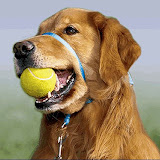
O seu amigão é bastante ativo?! É um eterno e incansável brincalhão?! Ou então tá precisando queimar umas banhas?! Este divertido lançador de bolas de tênis é a solução ideal! O GoDogGo® é uma idéia simples, mas que evita o corre-corre, principalmente quando você está cansado, com preguiça ou mesmo para quem não pode se exercitar. Ele foi especialmente desenvolvido para divertir os cães e seus donos. Tem capacidade para lançar 15 bolinhas (6 estão inclusas na compra) e um prático controle remoto que facilita ainda mais a brincadeira. Você pode definir o tempo entre um lançamento e outro (7 ou 15 segundos) e a distância (aproximadamente entre 4,5 e 9 metros). O GoDogGo® funciona com 6 pilhas (duração de 5 horas) ou com um adaptador AC. Custa 149,95 dólares. "Lançadoramente legaus"!

Fonte

quinta-feira, 25 de junho de 2009

Dog Put to Sleep is Discovered Dumped in Field

A family from Hucknall, Nottinghamshire are distraught after the body of their recently euthanised dog was discovered dumped in a field.

Local reports in Nottinghamshire claim that James Browns’ Border Collie, Bournville was recently put down after it developed cancerous lumps. The dog’s ashes were returned to the family – but days later Mr Brown was told the body of his pet had actually been found in a field and identified by its microchip.

Three other dogs were also discovered at the same time in nearby Derbyshire, on August 15.

“We’re really, really shocked. We’re very upset. We paid extra money to get him back and it’s not him. He was a lovely dog and he deserved better than that.” said Mr Brown.

The RSPCA have been called and police are now investigating.

Bournville and another dog [are] originated from Ambivet veterinary clinic, in Heanor, which says it is very shocked by the news.

The other two dogs have not been identified.

Usually, dogs are cremated together and their ashes are not returned, although a price can be paid of £120 to have your dog cremated alone and his ashes returned.

The business manager of Ambivet, David Stone, said the dogs’ bodies were sent to a Derbyshire pet crematorium after they were put to sleep.

He said: “Our relationship with this company was severed immediately on Tuesday afternoon and alternative arrangements were made with another operator. We feel very distressed by the whole thing. We’ve visited both the owners concerned. It’s in the hands of the local authority and we’re co-operating fully with them over this.”

Mr Brown said the discovery of 12-year-old’s Bournville’s body had been distressing for the whole family.

“My mum and step-dad went to pick up the ashes and they got them in a bag with a card stuck in saying Bournville. So, as far as they were concerned, Bournville was back with us.”

The family have two other dogs called Hamish and Elliott and they wanted to go and identify their pet’s body for peace of mind.

“It wasn’t the prettiest of sights, it was quite upsetting. His fur was all wet and matted down, and he had maggots all over him. We’re wanting to bury the dog ourselves now so we’ve got him with us. He just didn’t deserve that, he was a member of the family,” said Mr Brown.

Derbyshire Police are investigating the incident and a spokesperson from Amber Valley Borough Council said: “Staff from the council’s environmental services directorate, along with the Environment Agency are currently looking into the matter, but cannot comment until all of the facts have been established.”

The dogs are now being kept at Ambivet veterinary clinic while the matter is investigated.

A Derbyshire police spokeswoman said: “Police are investigating allegations of fraud after dogs that were thought to have been cremated were found dead in a field. The police have liaised with the RSPCA, Amber Valley Environmental Health and the Environment Agency during the investigation. Enquiries are continuing into the allegations. Officers can confirm that no reports of burglaries at any local pet crematoria have been received by police.”

Jennifer Buxton, the owner of Peak Pet Cremations said the company has been closed down since.

“All I know is there was a theft from our premises which obviously included some bagged scrap metal and some deceased pets were taken at the same time.”

When further questioned by a local newspaper, she said the theft was not reported to the police because at the time they did not know any animals had been taken.

She said she had been away at the time and could not explain why Mr Brown’s family had been sent ashes that could not have been their dog.

Fonte

quarta-feira, 24 de junho de 2009

Os grandes mitos caninos

Ah, agosto, mês do folclore, que é uma das coisas mais injustiçadas que existem. Muita gente boa entende "folclore" não como sinônimo de sabedoria & tradição popular e sim de besteirol & boataria. Mas é fato que não faltam mitos, noções erradas e até lendas urbanas sobre tudo que é assunto - inclusive cães. Vamos lembrar aqui alguns dos mitos sobre a cinofilia mais, digamos, acreditáveis e por isso muito comuns, do tipo "eu acredito porque foi minha avó quem me contou" ou "sei que é verdade porque vi na televisão ou na Internet".

É verdade que quem mora num mundo como este e vê o que se vê tende a acreditar em tudo mesmo. Mas nem comentaremos aqui histórias realmente inacreditáveis, como aquela de que os Dobermans são potencialmente perigosos porque seus cérebros não param de crescer ou a outra segundo a qual um cão que morder algum outro bicho e engolir sangue poderá se tornar violento. O que lembraremos aqui são mitos até que acreditáveis, meias-verdades e quase-fatos, separados por assuntos, para organizar ainda mais a bagunça: a saúde do cão, sua alimentação, sua socialização e seu adestramento & treinamento.

Saúde

"Focinho quente é sinal de doença."

A temperatura dos focinhos costuma subir durante o sono do cão, daí ele acordar de nariz quente, o que é normal. Só haverá problema se, além de quente, o focinho do bicho estiver seco e o cão mostrar grandes alterações de comportamento.

"Cães não precisam ser vermifugados quando não saem à rua."

Como se vermes tocassem campainha ou pagassem pedágio... Mesmo no recesso do lar os caninos podem contrair micróbios trazidos por mosquitos. Prudência, canja de galinha (cuidado com os ossinhos! Mais sobre isso daqui a pouco) e vermifugação não fazem mal ao canino são ou doente.

"Cães avisam quando estão doentes."

Na verdade, eles conseguem esconder as doenças, para não se mostrarem vulneráveis ao "inimigo", e os sintomas só costumam aparecer quando a doença ou incômodo estiverem bem avançados, dando então a impressão de que o bicho está chamando a atenção para o problema.

"Cães só enxergam em preto e branco."

Eles apenas vêem menos cores que o ser humano, pois seus olhos têm menor quantidade de celulas cônicas, que permitem distinguir as cores.

"Cadelas devem ter ninhada antes de serem esterilizadas."

Do ponto de vista de saúde e bem-estar do bicho, castração (para machos) e esterilização (para fêmeas) são benéficas, diminuindo o risco de tumores em mama, testículos e próstata e de infecções urinárias.

"Vira-latas são mais saudáveis que cães de raças puras."

Não é bem isso. Vira-latas costumam estar menos sujeitos a enfermidades ou problemas comuns a certas raças, mas nem por isso são invulneráveis ou mais imunes a doenças que outros cães.

Alimentação

"Cães comem pedras, papéis e colchões atrás de nutrientes para complemento alimentar."

Na verdade, cães gostam de mordiscar tudo o que aparece para se divertirem, ter o que fazer e chamar atenção, embora possam se beneficiar da eventual presença de proteínas e outros nutrientes do que comerem.

"Ossos são sempre bons para o cão."

Não faltam histórias em quadrinhos e desenhos animados em que o melhor tesouro do cão é seu osso. Na vida real, tudo bem o bicho roer ossões grandes, de preferência com tutano, já que muitos cães gostam de ficar mordiscando coisas e todos precisam se alimentar. Mas nada de ossos pequenos - basta lembrar da atenção que devemos dar a crianças humanas que não devem ser deixadas com "partes pequenas que podem ser engolidas". Ossos cozidos também são problema, pois podem se romper e formar rebarbas perigosas. (Vai ver que foi esta a inspiração daquela marchinha aparentemente nonsense gravada por Silvio Santos nos anos 1970, que dizia "Socorro, socorro/Ai, ai, eu morro/Chegou a vez do osso morder cachorro".) Sem falar que o cão tem tanta necessidadade de higiene bucal quanto o ser humano. Para o cão se divertir sem riscos, ossos de borracha e náilon são ideais.

"Se você mexer na comida do cão enquanto ele estiver comendo, ele te morde."

Se o cão ataca quem mexe, acidentalmente ou não, na comida dele, inclusive os donos, sejam adultos ou crianças pequenas, o problema está na socialização - ou falta dela [na verdade o problema é dominância, falta de limites e falta de treinamento]. Sempre comparo cães a crianças pequenas, e me lembrei daqueles pais sempre ocupados e pouco presentes, que "têm uma ligeira ideia de umas pessoas pequenininhas que andam pela casa". Do mesmo modo, não basta encher a gamela de comida, dizer "oi" e "tchau" e pronto. O cão tem que entender que, mais que donos, você e seus filhos são amigos dele [o cão tem de entender que os humanos são os líderes isso sim], não inimigos que querem roubar-lhe a comida [o líder humano tem sim o direito de "roubar" a comida quando bem quiser e entender]. Ele precisa até ficar contente quando os donos, sejam de que idade forem, vêm mexer em seu prato, porque sabe que vai ganhar carinho ou um petisco. O ideal é começar a alimentar o peludo dando-lhe comida na palma da mão, e depois, a cada vez que lhe servir comida (servir mesmo, não simplesmente jogá-la como aqueles restaurantes que fazem por merecer que tanta gente reclame nos jornais), mexa na gamela, começando por uma mexidinha e, com o tempo, enfiando a mão na comida mesmo. Daí que, se alguém chutar sem querer o prato ou uma criança bulir na comida, ele não se sentirá ameaçado.

Socialização

"Cães e gatos são inimigos."

Isso virou até símile, "brigar como cão e gato". Na verdade, depende do temperamento de cada cão e gato; o que não falta são gatos que não se dão bem nem com outros gatos e cães que vivem às turras até com outros cães. Depende também da socialização: também não faltam caninos e felinos que só faltam se dar as patas e sair pelo mundo cantando "Amigos Para Siempre". Um bom exemplo é o do jornalista e produtor cultural André "Pomba" Cagni, "pai" de duas cadelas e uma gata, respectivamente a Cocker Penélope Demônio (nascida em 2003), a Schnauser Tetéia Mocréia (já uma senhora de dez anos) e uma Siamesa que, embora chegada mais tarde (nasceu em 2007), tem o nome mais longo, Pitbull Triplex 666 From Hell. (Sim, falaremos em outra oportunidade sobre os nomes dados a nossos animais de estimação.) "Quando a gata chegou, ela tinha acabado de desmamar e já foi mamando na Penélope", lembra Cagni. "Apesar de castrada, Penélope estava com gravidez psicológica e ainda tinha leite. E hoje as três interagem e brincam o dia todo."

"Cães precisam de quintal."

É claro que ninguém gosta de viver sufocado e confinado em "apertamento". Mas pode reparar: dê a seus cães um quintal do tamanho de um campo de futebol, e a maior parte do tempo eles vão ficar à porta esperando a hora de entrar em casa. No fundo, muita gente quer um quintal não para o cão ter seu próprio espaço e se divertir, mas sim para ele ficar lá fora e deixar o dono em paz. Como não dizia aquela canção: cachorro não quer só comida, cachorro quer comida, diversão e fazer arte, cachorro quer saída para qualquer parte (desde que com saquinho e coleira, claro) - e diversão é solução pro cão. Mais que ficarem confinados em casa e quintal, cães querem brincar, correr, se exercitar e se divertir na companhia dos donos. Afinal de contas, seres caninos são como humanos: ambos são bichos de matilha e, embora nem sempre pareça, gostam de vida social, inclusive com "cães" esquisitos que andam em duas patas e falam uma língua complicada e incompreensível.

"Cães só abanam a cauda quando estão felizes."

Tem até a piada do cara que manda cortar bem rente a cauda de seu cão porque "minha sogra vem nos visitar e não quero nenhuma manifestação de alegria nesta casa" [isso é piada em parte, pois é possível que algumas raças como os rotts tinham seus rabos cortados bem curtos exatamente para não demonstrar alegria]. Mas o cão abana a cauda devido a diversos estados de excitação, ansiedade ou mesmo agressividade. De modo geral, cauda abanando erguida a 90 graus significa que o bicho está agressivo; a cauda baixa mostra que o cão está agressivo porém desconfiado e na defensiva [pode ser também submissão]; e a cauda praticamente na horizontal é convite para brincar. Convém lembrar que a linguagem corporal dos cães, embora mais simples que nossa linguagem falada, não é tão simples quanto parece; o cão pode querer dizer uma porção de coisas não só pela cauda, mas também pelas orelhas, olhar, posição da cabeça e outros detalhes. Na dúvida, antes de se aproximar de um cão estranho, converse com o dono! [Muitos donos dizem que seus cães são anjos sem serem, então é mais confiável deixar o cachorro se aproximar de você e não o contrário]

"A mandíbula de um Pitbull se prende quando ele morde."

No máximo, a mordida de um Pitbull é mais forte que a maioria dos outros cães, mas esta história de mandíbula com "fechadura" é mais um produto da injusta má reputação do Pitbull como besta-fera das piores (bem que os produtores do filme Flashdance fizeram o que podiam para desmenti-la quando alçaram o famoso Grunt ao estrelato).

Adestramento e treinamento

"Cães farejadores de drogas são viciados nelas para as detectarem."

O treinamento de caninos policiais para reconhecimento de determinadas substâncias é essencialmente o mesmo dado a seres humanos, policiais ou não, que aprendem a detectar a presença ou consumo de drogas por indícios como cheiros ou mudanças de comportamento; ninguém precisa se transformar em ávido consumidor. (Por sinal, os melhores traficantes costumam ser caretões.) O treinamento do cão para rastrear drogas é fazê-lo associar o aroma delas a alguma coisa boa, como um brinquedo, afago ou petisco, premiando-o quando tem êxito na busca.

"Cão macho é melhor para ser guarda que a fêmea."

Muitos pensam assim devido ao macho ser mais agressivo [isso está errado, depende da raça]. Mas o que define um bom guarda, canino ou humano, não é a agressividade e sim a verdadeira coragem; não confundir com aquela "coragem" que nasce do susto e do medo - ou, como cantava o arretado Gordurinha, "estupidez não é valentia". E valentia muitas fêmeas têm de sobra. Obviamente, alguns caninos, machos ou fêmeas, têm temperamento mais adequado à guarda que outros. Outro detalhe: muitos cães machos de guarda podem ser tapeados se o terreno vigiado for "invadido" por uma Mata Hari peluda no cio ou mesmo um pedaço de tecido com o mesmo aroma; a tendência será o instinto de reprodução uivar mais alto e o bonitão abandonar a guarda, indo atrás da fêmea ou de seu cheiro [por isso é útil castrar o cão de guarda para ele não se distrair com o sexo oposto]. E a adestradora Maíce Costa Carvalho lembra um detalhe interessante: "As fêmeas costumam guardar as pessoas; os machos guardam o território. Tal diferença provavelmente se dá devido à sua vida selvagem, onde os machos cuidam do território, e as fêmeas dos filhotes e membros mais fracos da matilha."

"Os melhores cães de guarda são os mais agressivos."

Acabamos de ver que agressividade só não é nada suficiente [e nem eficiente]; o canino precisa ser socializado [MUITO] e adestrado [em obediência] para distinguir amigos de inimigos e não sair atacando e mordendo quem não deve.

"Gatos são mais espertos que cães."

Depende do que se considera "esperteza". O gato pode ser mais auto-suficiente, mas o cão é muito melhor (ou pelo menos demonstra mais disposição) para aprender comandos.

"Cão deve ser treinado por um profissional."

Equivale a dizer que crianças devem ser criadas por babás e não por pai e mãe. Não falamos há pouco em pais e mães presentes? Pois bem, se você deixar outra pessoa educar seu cão, é a ela que ele vai acabar obedecendo! [Por isso o treinamento pode ser orientado por um profissional, mas o dono é quem deve trabalhar o cão desde o princípio]

"Se o cão fizer cocô onde não deve, esfregar seu focinho nas fezes o ensinará a não fazer isso nesse local."

O resultado será que o canino adquirirá a habilidade de fazer cocô no local proibido logo que você virar as costas.

"Não se pode ensinar truques novos a cão velho."

Não bastassem preconceitos como o sexismo e o racismo, temos o "idadismo", desta vez aplicado aos cães com a desculpa de esta noção ter se tornado um provérbio "aplicável" a todos. Bem, uma característica interessante do folclore - folclore no melhor sentido, o de sabedoria popular - é de que quase todo provérbio tem seu oposto. No caso, trata-se do velho (no bom sentido) e bom "nunca é tarde para aprender". Bastam exercícios físicos e mentais e boa alimentação para se manter a boa forma em qualquer idade, inclusive para assimilar coisas novas. (Apenas dois exemplos são o ator, dançarino e cantor Fred Astaire, ainda disposto a aprender a andar e dançar de skate aos 78 anos de idade, e a fotógrafa alemã Leni Riefenstahl, que começou a tirar fotos subaquáticas aos 72 anos.) É claro que, tal como os humanos, o cão mais idoso pode apresentar uma ranhetice ou outra e já ser bastante metódico e sistemático, mas nem por isso vai deixar de aprender novidades com um pouco de esforço e paciência do dono e/ou treinador - sem falar que muitas vezes o canino muda de dono já com certa idade precisa conciliar o que já sabia com o que precisa assimilar.

E aí está uma boa coletânea comentada de noções que um dia se tornarão tão folclóricas - no sentido de curiosas - e obsoletas quanto as de que manga com leite faz mal, dormir sobre o lado esquerdo faz mal ao coração e uma meia velha enrolada no pescoço cura soluços. Realmente, é preciso ouvir tudo e acreditar em metade... inclusive quando são nossos amigos caninos que dizem.

Fonte

terça-feira, 23 de junho de 2009

How to raise a balanced pit bull

Hi Cesar,

I adopted a male pit bull when he was between 8 and 10 weeks old. This is my first pit bull. I have two labs at home, 7 and 10, both males.

I want to know what I need to do to make sure my pit bull never attacks my labs. Can I have any advice on how to do this? My pit is about 5 months old and is getting neutered in a few weeks. I just want to be aware of anything I can do to make sure that he does not become dog or human aggressive.

Thanks!
Ashley Gerenser from PA

Ashley,

First of all, I think it is wonderful that you have decided to neuter your dog. And five or six months is a great age to do it.

How do we keep a powerful breed humble, surrendering, submissive, and peaceful? We never reward excitement. We don't favor any one dog over another. Once you have a pack, you can't favor any particular dog. You need to favor the calm-submissive state of mind. That's what keeps a pack healthy.

When you're feeding three dogs, always choose the dog that is the most calm and submissive to receive the food first. If that happens to be the pit bull, then feed him first. But if he's too exited, he should eat last. Wait until he's achieved the state of mind that you want. That way, he understand that it's the calm-submissive state that makes him part of the group.

If you have a high energy pit bull and lower energy labradors, then make sure that you challenge the pit bull more than the other dogs. Always keep the powerful breed very, very tired. And when you're taking them on a walk together, who gets the leash first? The most calm and submissive. When you open the door, who goes out first? Obviously, the human and then the most calm and submissive. If all three of them are in a calm-submissive state, which is ideal, then you can take everyone at the same time!

If you have problems walking all three dogs together, then take them one at a time. Master the walk that way. Then add a second dog to the walk. Then once you have that down, bring the third along. Your goal is to make them a calm-submissive unit, working together.

Stay calm and assertive,

Cesar Millan

Fonte

[Essa dica é parcialmente diferente da que eu daria e é exatamente por isso que treinar cães é tão interessante. Não é uma ciência exata, cada cachorro é um indivíduo único (e portanto um desafio único) que reaje melhor a uma determinada técnica e não a outra. Gosto muuuuito do método de Cesar e acho incrivelmente interessante como todo o trabalho dele se baseia em controlar a energia do cão.]

Puppy or Dog: The Debate Continues

As a dog enthusiast and trainer, I have often been asked by people to give them some guidance in regards to breed when looking for a new canine addition to the family. Time and time again, however, when being asked for advice I am asked about puppies. Why? Simply because the vast majority of people picture bringing home a cute little puppy to snuggle with and take care of, not a mature dog. So my question is: why is that? Why do people go in search of a puppy instead of the best overall addition to their family and lifestyle?

I will be the first to admit puppies have a unique draw. They are cute, playful, rambunctious, and lovable. They generally like to snuggle, and there are few things better in this world than puppy kisses or a puppy that has passed out in your lap after a long play session. The problem with puppies, though, is just that. Granted, a lot of people do actually go looking for a puppy, but that cute face and slight tilt of the head has lead to far more impulse buys than not. (Guilty as charged!) I am convinced that poorly thought out purchases are the number one reason dogs end up in shelters. Most people don’t think of the long nights that come with taking care of a small puppy, the numerous feedings, the bad habits that must be curtailed, or the expense involved in bringing a puppy home. They look at the cute face, and it’s over. Then, when the puppy gets too big, too rowdy, or just plain grown up and doesn’t have that same cute fuzziness than brought it into the home to begin with and made you look past all the annoying or destructive behaviors, it is ignored, sequestered to the back yard, re-homed on Craigslist, or taken to a shelter. But let’s even look past that. Let’s look past the impulse buys and cuteness and talk about the real issue that worries those I have had this same discussion with: Bonding.

If you were to pull the average Joe off the street and ask the simple question, “If you were to get an older dog and a puppy, feed them, water them, shelter them, play with and train them for 2 years, which do you think would be more bonded to you?”, I guarantee you the answer you would get is the puppy [which is a false assumption]. This myth is probably the number one reason there aren’t more dogs adopted out of shelters at the same rate as puppies. Think about it. [Adult] dogs are less work. You don’t have to get up in the middle of the night to take them out because they are mature enough to wait an entire night. Most dogs are also at least somewhat house broken, are usually calmer depending on the age, and less destructive because they have matured through the puppy chewing stage that comes with teething. You can also do more with the dog right away: go for runs, play fetch, go swimming. They are almost instant companions. But the misplaced fear that a dog will not bond as quickly or as strongly as a puppy has steered people away from the more mature crowd time and time again, and the loss that results for both the dog and the individual saddens me.

From personal experience alone, I can attest to adult dogs not only bonding more strongly to me than the puppies I’ve had but being an almost instant enjoyment. Of the 6 dogs I own, three were puppies when I brought them home, two were adults, and the remaining dog was already a part of my husband’s household when we met. Of these dogs, which is the most strongly bonded to me? Well, from day to day my opinion changes, but what I can tell you is the dogs I brought home as adults and the one my husband had prior to us meeting lead the pack. In fact, sometimes I think that my first dog, the one I brought home as a puppy and spent the most time with making sure that we “bonded”, is the one that could care the least about whether or not I’m around.

Take the time one day to ask anyone with a true working dog about the dog they’ve had that has bonded the strongest to them. I can tell you that more often than not, it will be a dog that was acquired later in life. It may not have been fully matured, but it will usually be one with at least several months of life if not a few years under its belt. I will say this is also true of most of the trainers I know. Why this is, I’m not exactly sure. There’s a part of me that likes to think a dog that is a bit older is grateful for the good home and attention provided to them, especially when taken from a shelter, because they have not always had the same experience whereas a puppy knows no different. But truth be told, there is no magic answer. All I know is that I have seen firsthand that a dog can and will become as bonded or more to their masters than a puppy. The true variable in the equation is the individual dog and breed, not age.

So, the next time you or a friend start looking for a new canine addition, all I ask is that you don’t disregard the older dogs that could spare you a lot of the work and bring you just as much joy. Although it may not be perfect or have the fuzziness of a puppy, it may just end up being the best dog you’ll ever have.

Fonte

sábado, 20 de junho de 2009

Common Foods That Can Be Toxic to Pets

We all love our pets. For many of us, one way we show that love is through special treats such as human food. As long as we don’t overindulge our loved ones into obesity, these little treats can be fun for both pet and parent. However, it is important to realize that dogs and cats are very different from humans in some very important ways, which can result in tragedies for the uninformed parent.

One of the newest and easily available human foods toxic to dogs, is xylitol. Xylitol is present in products from gums to sugar free cookies. When ingested in relatively small amounts, this sweetener can result in low blood sugar, seizures, liver failure and death. These symptoms can show up as quickly as 30 minutes or as long as 12 hours after ingestion, and treatment must be quick and aggressive or they can be fatal.

Grapes and raisins have been found recently to induce kidney failure in some animals. This failure can be permanent and life threatening. It does not seem to relate to the volume ingested, and not all animals seem to be equally susceptible. Although some dogs have been eating grapes for years, the safe course is to avoid grapes and raisins completely.

Due to articles such as this, many people are now aware of chocolate’s toxicity in dogs and cats. With the recent popularity of chocolates that are 60 and 70 percent cocoa, this risk has become much more serious. Dark chocolates have always been more toxic than milk chocolates, and these newer chocolates are even more so. Toxic doses of chocolate can cause abnormal heartbeats, kidney failure and death. The toxic dose is dependant on weight, so little dogs are at higher risk, but with the higher levels of cocoa in chocolate products now even bigger dogs are at risk.

Onions are tasty for our pets as well as us, but too many onions can be dangerous. High levels of onion ingestion in dogs and cats can cause life-threatening anemia.

With any toxic exposure, minutes count so knowing what to do can save a life. Most importantly, you should have the phone number of poison control, your regular veterinary and an after-hours hospital posted in your home. It is best to wait until you reach poison control before you do anything but usually you will be told to make your pet vomit to get rid of some of the toxic substance. Vomiting can be induced with a teaspoon of peroxide if you don’t have ipecac. Give the peroxide by mouth every few minutes, giving your pet a chance to relax between since many dogs and cats will refuse to vomit when held. Once vomiting occurs, or if you are unsuccessful within a few minutes, you should then seek professional help from a qualified veterinarian. Be sure to have an idea of how much of the substance your pet ingested and how long ago it happened.

For a more complete list of possible toxins in your home, visit www.townelakevets.com.

ASPCA Animal Poison Control Center
National Hotline: 888-426-4435
Available 24 hours a day, 365 days a year.

Fonte

sexta-feira, 19 de junho de 2009

Potty training outside during the winter

[The dog] (and possibly his owners) needs to learn that he won't freeze solid if left out in the cold a "wee" (yep, pun intended) bit longer...

When [the dog] goes outdoors, whatever the weather, so should one of [the owners] (preferably wearing normal indoor weather-appropriate clothes, but no coats, hats, gloves, scarves, umbrellas, etc.). As long as they (the human) can tolerate being outdoors, so can [the dog] (and the fact is that [the dog] can tolerate inclement weather and unpleasant temperatures at least half again as long as his "uncoated" humans ever could). They may want to try a "tag team" approach, where [the dog] is put out one door where one human is standing by inside, and the other human goes out the opposite door (so that [the dog] still goes out "by himself" and is therefore not distracted from doing his duties). When the other human comes back in from the door where [the dog] cannot see that human, that human shouts to the one nearest to [the dog] and [he] is then allowed to come back indoors if he is ready to do so.

It [is also a mistake to put the dog] out for pottying too often. [He] may not [catch] on to the primary purpose of the outings because they are so frequent -- in other words, it is a sure bet that he is being put outdoors when he does not have to potty as often or even more often than when he does have to potty. If [the owners] are literally putting [the dog] out [let's say] every 45 minutes, that could be as many as 21 outings per average day -- he really needs less than half that many outings to take care of his potty needs. He should go out first thing every morning, last thing before bedtime, a few minutes after he finishes eating each meal, right after he wakes up from any nap, and right after any time that he has been playing or running around vigorously for more than a few minutes. And, the more routinely scheduled [the dogs]'s outings are, the faster and more easily his body will adapt his waste elimination needs to that regular outing schedule.

Perhaps this goes without needing to be said, but, anytime they can catch [the dog] in the act of pooping indoors, [the owners] should immediately shout a harsh, deep, voice-of-doom "NO!" at [the dog] and then pick [him] up and hurry him outdoors (mid-poop, if at all possible, so that he might finish outside). Conversely, anytime [the dog] does what he is supposed to do outdoors, he should be praised (and preferably, given a reward treat).

[Escrito por Melody Joyce em 28 de janeiro de 2006 para a lista Petdogs-L do Yahoo Groups]

Housebreaking and puppy stuff

Housebreaking is probably the biggest obstacle that you will have with your new pup and the length of time it takes really varies by the dog. First, get yourself a set of bells to hang on your "go outside" door. You will train the pup to ring the bells by luring him with a treat - when he hits the bells with his nose cheer and say "go outside" and immediately throw the door open - most dogs only take a couple days to get the point of the bells - and this will speed up the housebreaking process by giving your pup a set way of telling you he needs to go out. Here's a link to a vendor that carries the bells that I like really cheap - they're easy to hear and last forever... http://www.chicksaddlery.com/Merchant2/merchant.mvc?Screen=PROD&Product_Code=SLB102

The next thing you must do is crate train. This will help with house breaking, make it easier to travel with your pup, and make him more comfortable if you must ever leave him at the vet's or a kennel. The crate should be just large enough for the pup to stand up and turn around, any larger and he may use one end for potty and the other for sleeping. There are crates available now that have "transition" panels in them, allowing you to buy a full-sized crate and use the panels to section them off as the pup grows.

Potty time needs to happen after every meal, nap and play session, and usually about every 2 hours or so in between - get on a schedule (and adjust as necessary) and this will speed things up. A pup as young as [9 weeks] can't be expected to hold it for more than 3-4 hours at this stage - so that also means getting up in the middle of the night for a few weeks. If you're lucky, you'll get one like my female, who slept through the night from the age of 10 weeks, if unlucky, you'll have one like my male who had to get up even at 5 mos old. It's important that you take the pup out for potty when he needs to go, the last thing you want is a pup that learns to potty in his crate because he had no other choice - trust me, it's a very difficult habit to break. If you're pup makes a mistake, you're not paying enough attention to his needs - and need to potty him more often.

When you do potty your pup, please use a leash - there's nothing worse than a dog that is leash shy and won't potty on leash. Take lots of yummy treats and give the pup a treat every time he goes - throw him a little party. Give a command, like "go pee", too - this will eventually let your pup know that he is out there for potty time, not play and look at the sky time. This will also come in handy as your dog grows - trust me, when you're at a hotel and it's pouring down rain, it's a very handy tool to have - when I travel with my two, I can point them at a spot, say "go pee" and get a potty within seconds usually (if they really do have to go).

Do yourself a favor and buy a gallon of a really good enzymatic cleaner - I like Nature's Miracle. If you're pup makes a mistake and you don't catch him in the act, simply take him, put him in his crate and clean up - don't let him see you cleaning up. If you catch him in the act, often a sharp "no" will stop it in mid stream, you can then scoop him up and take him outside, be sure to praise lavishly when he finishes up outside.

If you take him out and he doesn't go, put him back in his crate for about 20 mins and then try again - repeat as necessary. He doesn't get play time until after he's gone outside.

Keep playtime indoors for now - until he is mostly housebroken. You want him to associate outside with potty time, not play time, or play in a different part of the yard. Also, always potty him in the same area of the yard, the smells will remind him why he's out there.

Get yourselves enrolled in a puppy class - the best time to socialize your pup is now. The safest way to do that is in a class where you know all the pups have been inoculated and it is a controlled environment.

DO NOT allow your pup to interact or talk to strange adult dogs. Do not be fooled by what some people call "puppy license" that states that pups in a pack are allowed certain liberties that older dogs would not have. Although this theory is true, it only applies to the pup's own pack. In the "real" world, pups from other packs are considered a threat to the survival of another pack - and in most cases, adults would kill pups not from their own pack. Although our dogs are not wolves, those instincts are still ingrained in them - it is not at all unusual for an adult dog to attack or kill a puppy (especially in-tact males). So unless you know the dog, please keep your puppy away and safe. DO NOT take this pup to places that are frequented by large amounts of dogs until he has received his final shots - taking a pup to dog parks and public parks endangers his life until full immunity to diseases has been reached, and this is not until after 16 weeks.

If you go to places like PetSmart or PetCo - they are great places to socialize your dog with people, but please, leave the pup in the cart, do NOT allow him on the floor in these places, it's WAY too dangerous to your pup's health.

FYI - pups go through what are called fear imprint stages. Things that frighten a pup during these stages will most certainly always frighten your pup. For example, if the pup is bitten by another dog during one of these stages, you pup will most likely either be dog aggressive or dog fearful for the rest of his life. It is critical that all experiences be positive until about the age of 6mos - by then, most dogs have gone through all their fear imprint stages and traumas are usually then better dealt with.

I want you to imagine yourself alone, in a strange country, where they don't speak your language and you don't know the laws and customs. Then imagine how stressed and uncomfortable you would be. Well, this is what it's like to be a puppy in a human world. In order to make your pup comfortable in this new world, you must think (and speak) like another pack member. It is very important that you be consistent with this pup, decide on what rules you want this pup to adhere to, and then always enforce these rules. It will help your pup adjust and be comfortable in his environment. For example, you can't say - yes you can get on the furniture, unless you're muddy. Or yes, you can have this table scrap today, but not when there's company in the house. Either they can get on the furniture or they can't, they can sit by the table or they can't - decide on how you want things (keeping in mind that the adorable pup you now have will grow to an 80lb+ fuzzball in just a short year), and then stick to those rules - enforce your rules fairly and consistently and you will never have a problem with your pup.

Practice "nothing is off limits" and "nothing is free". In other words, you are allowed to touch or hold any parts of your dog, teeth, ears, privates, etc. It is very important that you desensitize your pup to touch of all types, at any time (including feeding time). You never know when an uneducated person may come up and try to pet your dog either the wrong way or at the wrong time. Just this past weekend, my female was gnawing on a particularly yummy knuckle bone in a public venue - I watched a small child walk by and pet her as he passed - many dogs would react aggressively to someone touching them while they were eating, but I knew it was safe because I have conditioned my dogs to accept touch at any time. I had another stranger that was interested in my breed of dog ask what would happen if she took the bone from my dog (she had kids at home and wanted to know if they were safe around kids). I told her to take the bone - my female gave this stranger the bone without even a second thought and waited patiently until the stranger gave it back to her. Again, I knew there was no danger in this because I've conditioned my dogs to accept this. Toes are a particularly tough area on many dogs - you will never have a problem with toenails if you massage then daily now, while the pup is young. "Nothing is Free" has to do with resources. You establish yourself as pack leader by controlling resources - make your pup work for everything, outside, play, food - and work can be as simple as asking the pup to sit or wait for that resource.

Your pup will never chew anything if you never give him the opportunity. If it's within reach assume the pup will try it out. The pup must not ever be out of your sight, he either needs to be with you or confined to a crate. Set your pup up for success, by giving him a safe environment to play in - don't leave your shoes around, put them in a closet and close the door. The only thing in pup's reach should be his own things. The worse chewing stage happens between 5 and 7 mos, so don't be lulled into a false confidence when your pup is a perfect angel for the first few months. If your pup gets into something, learn from YOUR mistake - a dog that gets into trouble has too much freedom.

When teaching commands such as "come" again, set your pup up for success - do not use the command until the pup is already coming to you - you can use other things to get his attention, like clapping hands, a squeaky toy, etc. and when the pup does come, praise lavishly and treat liberally. Don't repeat your commands - trust me, a dog will learn to tune you out, or they will count how many times you say it before you actually do something about it. When teaching a recall, it's very important that the pup never has the opportunity to disobey - use a drag line (a piece of clothesline tied to the pup) and if he ignores you, step on the leash and draw him towards you, rewarding when he gets to you. NEVER call your dog to you and then correct him - that is the fastest way to create fear in a dog and create a dog that won't come to you. If for some reason you need to correct a dog - always go to them, not the other way around.

Feeding is another important thing. Pick a good quality food (don't be drawn in by "designer" foods either - read the label and make an educated decision). Once you've picked a food - stick with the food. Changes in food will create picky eaters and cause digestive upset. Put the food down for 20 mins, if it's not eaten, pick it back up and wait until the next scheduled feeding time. Males are notoriously bad eaters - don't worry, they won't starve themselves. If your pup is distracted at feeding times, you may want to feed in his crate. Do not add things to the food (like canned food or gravy) - this too will cause a picky eater.

Unfortunately, pups don't come pre-programmed to understand us, they also don't come with instruction manuals. The very best thing you can do for you and your pup is getting involved in an obedience program, and stick to it at least for the first year, my two are 2 and 3 and still attend classes weekly.

Most importantly, have fun and enjoy - it's a lot of work, but that work will really pay off down the road when you have the unconditional love and companionship of a well adjusted dog.

[Escrito por Denise Parsons em 27 de janeiro de 2006 para a lista Petdogs-L do Yahoo Groups]

The seconds stage of housetraining is teaching your puppy to tell you when he has to go outside to potty. Bells are one way to do it but it's not my favorite method. I've had a lot of students who did not like the constant ringing that some dogs do when they just want to go outside to bark at the wind...or they just like to hear the bells ring. It can turn into a game. So, although it works well for some, for many it does not. It's a personal choice.

Denise wrote: "Keep playtime indoors for now - until he is mostly housebroken. You want him to associate outside with potty time, not play time, or play in a different part of the yard. Also, always potty him in the same area of the yard, the smells will remind him why he's out there."

I don't agree with this. I do teach that they have to potty before playing but to say that one isn't going to let their puppy play outside until they have mostly (or close to) being housetrained would be quite awhile for the average puppy. Some puppies take up to a year before they are 100%. Lots of good games and training can and should be happening outside. The puppies need to explore the world around them. As long as you don't allow play before they potty, they will make the association. I do tell them outside-hurry-up (or whatever word you choose to use for potty) all the way outside so that the association is made to going potty and that they can learn that outside is for other things but I would not deny play time outside for a young puppy just b/c they are nowhere near housetrained yet.

Denise wrote: "DO NOT allow your pup to interact or talk to strange adult dogs. Do not be fooled by what some people call "puppy license" that states that pups in a pack are allowed certain liberties that older dogs would not have. Although this theory is true, it only applies to the pup's own pack. In the "real" world, pups from other packs are considered a threat to the survival of another pack - and in most cases, adults would kill pups not from their own pack. Although our dogs are not wolves, those instincts are still ingrained in them - it is not at all unusual for an adult dog to attack or kill a puppy (especially in-tact males). So unless you know the dog, please keep your puppy away and safe."

I have to totally disagree with this. In my 20+ years of teaching dog training, it's been my experience that most puppies do have a 'puppy license' with most adults. Of course, that's not a guarantee but it happens more often than not. If the adult strange dog is a bully, reactive, aggressive or has bad social skills, I wouldn't let any of my dogs interact with them, much less my puppies. That's a given. But a rock solid adult, from any pack, will tolerate a lot from a puppy, thus giving the pup a 'puppy license'. One has to make safe choices but to say this rule only applies to the pup's own pack is just not true (ime). For one thing, the new puppy coming in came from another pack. If this were true, more of our new puppies coming into our home with an existing pack would be killed. It takes the existing pack awhile (some longer than others) to figure out that this new addition is not a guest but is becoming part of their pack.

If your own pack does not have a rock solid adult dog with good social skills, then I say not only let your puppy be around strange adults, I recommend it. The puppy needs to continue to learn these lessons that were started at the breeders or they will lose them. I prefer a bitch to a dog, in most cases, but either is better than none. This is the age they need this.

Denise [wrote]: "...DO NOT take this pup to places that are frequented by large amounts of dogs until he has received his final shots - taking a pup to dog parks and public parks endangers his life until full immunity to diseases has been reached, and this is not until after 16 weeks."

I also disagree with the above. At 16 weeks, the window of opportunity has passed for proper socialization. This is a controversial subject as it does become a catch 22 and a personal choice. Although I am very careful with where I bring my puppies, I do not wait until after all shots (16 weeks +) before taking my puppy out into the world. I'll take my chances on the diseases (as many can be treated when caught early enough and I know the symptoms) vs the potential of serious behavior problems as a result of lack of socialization. I prefer to follow the vacinnation protocol of Dr. Jean Dodds who recommends holding out as long as possible for the rabies shot, which I do after 16 weeks. Actually, the waiting room at the vet's office can be one of the most dangerous (disease wise). I always carry my puppies in and I bring my own towel or blanket to put on the exam table and scale. It won't help with airbone stuff and I know they clean in between appts but it's the extra I do for my puppies. After all, there are many sick, contageous animals at the vets, not all of which have been vaccinated. The floors, of course, are the worse.

Denise [wrote]: "FYI - pups go through what are called fear imprint stages. Things that frighten a pup during these stages will most certainly always frighten your pup. For example, if the pup is bitten by another dog during one of these stages, you pup will most likely either be dog aggressive or dog fearful for the rest of his life. It is critical that all experiences be positive until about the age of 6mos - by then, most dogs have gone through all their fear imprint stages and traumas are usually then better dealt with."

While it is true that dogs imprint at early ages (good and bad) and there is sufficient evidence to believe fear periods actually exist, however, not a lot of hard data is around on the subject. It's often said that GSDs have one more fear period than most other breeds. I do not know if this is true, last one being at 18 months. In most dogs, the last one is 7 months but can vary a lot. Most owners don't even know when their puppies are going through a fear period. In this phase where the fear period is believed to be happening, if something does happen to the pup, it can be difficult, but not impossible to correct. During this period, one can usually see signs if they look for them. One day the pup is afraid of something they were not afraid of the day before. They can just be spooked by the wind. Special care during this time is advised but to say that one should protect to the point of not socializing or introducing the dog to it's environment by keeping the pup home until after 6 months (one month earlier than most go through their last fear period) is not something I would recommend. I've seen countless dogs get bit at 1 or 2 + yrs old and it stays with them for the rest of their life. It doesn't have to be during a fear period. Those that it stayed for life probably had owners [which] did not know that the problem could be worked on and the chances are that it can be corrected or improved. Dogs don't 'unlearn' but with proper training and positive reinforcement, dogs can learn to offer alternative behaviors that are acceptable behaviors, but they will always 'know' what was learned. It's up to us to make them see that acceptable behaviors are more rewarding for them than previously learned unacceptable behaviors.

Denise [wrote]: "I want you to imagine yourself alone, in a strange country, where they don't speak your language and you don't know the laws and customs. Then imagine how stressed and uncomfortable you would be. Well, this is what it's like to be a puppy in a human world. In order to make your pup comfortable in this new world, you must think (and speak) like another pack member. It is very important that you be consistent with this pup, decide on what rules you want this pup to adhere to, and then always enforce these rules. It will help your pup adjust and be comfortable in his environment. For example, you can't say - yes you can get on the furniture, unless you're muddy. Or yes, you can have this table scrap today, but not when there's company in the house. Either they can get on the furniture or they can't, they can sit by the table or they can't - decide on how you want things (keeping in mind that the adorable pup you now have will grow to an 80lb+ fuzzball in just a short year), and then stick to those rules - enforce your rules fairly and consistently and you will never have a problem with your pup."

I disagree with this as well (sorry Denise) to a point. I understand what Denise is saying and yes they have to learn our (human) rules. But, dogs can be taught many things. First of all, English (or French, German, etc.) is not their first language. We do have to teach them that first. They understand tone of voice and body language much easier.....in the beginning. Once the dog has a handle on our language (and they can learn 200+ words), you can teach them almost anything, providing they can physically do it. All my dogs have learned a very large vocabulary. Granted, some of it is advanced work, but a dog can learn that they cannot go on furniture when they are wet or muddy. It's not that hard to teach......one word at a time. You can teach dogs that they cannot get on the bed UNTIL you have put on THEIR sheet (for dirty paws). You can teach them that they can have food from your plate when you say YES!.....and still not beg at the dinner table. I don't recommend you confuse your young 8 wo puppy but I did want to make it clear that when the puppy is ready....and you want to....they can be taught these things and some are taught at a very young age.

Denise [wrote]: "Feeding is another important thing. Pick a good quality food (don't be drawn in by "designer" foods either - read the label and make an educated decision). Once you've picked a food - stick with the food. Changes in food will create picky eaters and cause digestive upset. Put the food down for 20 mins, if it's not eaten, pick it back up and wait until the next scheduled feeding time. Males are notoriously bad eaters - don't worry, they won't starve themselves. If your pup is distracted at feeding times, you may want to feed in his crate. Do not add things to the food (like canned food or gravy) - this too will cause a picky eater."

I agree with Denise, feeding is important and I recommend a quality food (not junk food from the grocery store). I also agree that one should put it down and pick it up rather than self-feed (leaving it down all day for them to eat at their leisure). However, I think 20 minutes is too long. I give my guys a lot less time to eat. If, in fact, they take their mouths out of the dish for more than 2 seconds, the dish gets picked up. They are not allowed to leave the dish and come back even if it's within 2 minutes. They leave it and it's history. I do add 'stuff' to my dogs' food and none of them are pickey eaters. However, I will say that some dogs can be. It's not that hard to fix if one becomes picky as most dogs will not starve themselves and you (the owner) control the food. So, I do give other things with my dog's meals. I change enough that they just don't know what they might get added and look forward to the 'surprises'. They love eating and I believe it's b/c of what I add that makes their meals more enjoyable. I wouldn't want to eat the same ole thing, day in, day out. I do stick to the same brand dog food but the 'fixin's (as my DH calls 'em) changes from day to day. They get one meal without anything and one meal with other stuff and that's so if they have to be fed by someone else, they will eat their meals plain. So, this does help with not becoming picky eaters as well.

[Escrito por Cher McCoy em 29 de janeiro de 2006 para a lista Petdogs-L do Yahoo Groups]

We have here two trainers with two different approaches to nearly everything. As far as I know, both of them are highly qualified people with a lot of years and experience and success behind them. So who's right? What do you do?

There is no absolutely correct, totally accepted method for training or socializing dogs. Trainers and breeders don't always agree. Sometimes one is right, sometimes another is right, sometimes none of them has the right answer. You'll find the same is true if you buy any two books on the subject.

Don't get frustrated because you can't get an all-purpose, always-works answer. Weigh the opinions, talk to other people, and do what makes sense to you and your dog. If it doesn't work within a reasonable amount of time, try something else.

For example: I've taken training classes with Cher and enjoyed them immensely. I'm not always in total agreement with her, but while I'm in her class, I do what she suggests -- that's what I pay her for! It doesn't mean I'll always use what she suggests in any situation, but it does mean that her suggestions have worked well in many situations. Just because I find other things sometimes work better for my dogs doesn't mean she's wrong, it just means that...well, sometimes other things work better for my dogs!

I deal with the differences in opinions from the trainers on this list and others by looking at each problem in light of what I know about my dogs.

For instance: The bell method for housebreaking doesn't work for us. We have too many dogs...someone would *always* be ringing it! So ours are mostly on a schedule, but if someone needs to go out in between, we know each dog's language well enough to understand the problem. And boy does it vary. Ivy comes and stares at me till I get up, then leads me to the door. Sam whines. Dallas whines, sits on his haunches and puts his feet on your lap -- however, he also does that just for attention, so we're working on that one. Fannie goes to the door and stares. Whisper barks a particularly shrill little "I reallyreallyreally gotta go!!!" Judy runs back and forth from the door to me, the door to me, the door to me. So on that one, I'm with Cher.

As far as interacting with adult dogs, I'm with Denise. Some adults may give "puppy license" but not all do so with all puppies. As witness Dallas' vet bill when he pushed Ivy too far -- he was four months old. Ivy puts up with amazing stuff from whippet puppies. I've never seen her do anything more than correct them fairly gently for even major transgressions. A German Shepherd pup in her face was more than she was ready to grant a license for and she grabbed his paw, ground in, and didn't let go. Fortunately there was no permanent damage, but it wasn't a good experience for either one. And Ivy wasn't even a *strange* adult dog. He knew her well and vice versa. I've also seen several adult dogs at Petsmart snap at puppies. We're more careful about puppies interacting with adults now, at home as well as away.

And I agree with Denise about not taking puppies to dog parks or public places where many dogs are until they've had all their shots. We do take them out, but not to doggy-intensive places. Walks downtown are great -- not too many people take dogs downtown. We also go to Lowes (did you know most Lowes let you bring dogs in?) and local feed stores. For doggie socialization, arrange play dates at home with friends who have dogs you know are healthy. Plenty of time for dog parks after the shots are done. It is apparently true that the period before 16 weeks is extremely important to socialization -- some believe that after that age, the personality as far as reactions to other dogs and people is immutably set. So don't isolate your puppy, but you don't need to expose him to dogs of unknown health.

As for the problem with vets having sick dogs through, ask the receptionist if you can arrange to bring your puppy in during a well-pet period. Ours are usually scheduled between cat appointments. And Cher's right -- don't put the pup on the floor while you're at the vet.

I don't know what I think about the "fear imprint" stages. I've read a lot on the subject but my experience doesn't always support the theory. We've had puppies that were bold as brass from day one and we've had some that did seem to go through spells in which they were less confident, then came back. I've never been able to affix it to an age though. We just try to keep experiences positive for the most part and don't worry about *when* things happen so much as *what* happens. For example, Dallas' traumatic experience with Ivy didn't ruin his temperament at all -- but it sure made him cautious about *her*. He still won't come upstairs until he knows she's confined, but he's just as puppy-obnoxious as ever with the other dogs.

I definitely don't agree that grocery store brands are all "junk food". I've raised too many healthy dogs on Purina ONE to buy into the designer food craze. I've tried many, many different foods over the past 30 or so years and have never been able to tell the first bit of difference in adult dogs who were being fed an ultra-expensive food and a grocery store brand. On cheap foods, their poops were bigger. That's the difference. On all brands their eyes were bright, coats good, energy levels normal, and most of our dogs have lived to the far side of the breed's lifespan.

One of our whippet owners whose dogs are in tiptop, lean and mean condition feeds Tractor Supply brands. His older whippet is 15 and getting around great. I'm not going to tell that man he should be spending four times the amount for a "human grade" food or whatever, and I'm not going to spend it myself. For people who want to and believe in it, that's great, but it is NOT necessary to buy designer foods to have a healthy dog. If your dog does better on one particular food, then feed it. But don't think you're a bad owner because you can't afford $50 a bag for food.

SO...the bottom line is, you're never going to find two dog people who agree on everything. Raising puppies is not a hard science. There are basics that are known (cruel training methods are not necessary, puppies should be fed regularly on a schedule, housetraining only works if you can get the pup outside on a regular basis, etc). But underneath those maxims is a vast grey area and we all do what works best for our own dogs.

[Escrito por Sharyn Hutchens em 30 de janeiro de 2006 para a lista Petdogs-L do Yahoo Groups]
•▄▀• OUTRAS POSTAGENS NOS LINKS ABAIXO